Thursday, 24 July 2014

Part 4: K-Pop in Australia

Due to its close proximity with Asia, K-Pop is far from unknown in Australia. A major event regarding K-Pop’s presence in Australia is the 2011 K-Pop Music Festival at ANZ stadium in Sydney, which featured the likes of Girls' Generation, TVXQ, B2ST, SHINee, 4minute, miss A, 2AM, and MBLAQ. Around the same time that the video for Gangnam Style blew up, boy band NU’EST visited Sydney Harbour and the University of New South Wales; they were in the area to judge a major K-Pop concert being held. Psy’s Gangnam Style was a massive hit in Australia, reaching #1 and becoming one of the highest selling songs of the year. Psy’s success has increased K-Pop’s popularity in Australia. Australian television channel SBS launched a one hour show focusing on Asian pop music called SBS PopAsia in 2011, which with increased popularity extended to a length of two hours with an accompanying 24/7 digital radio station.

Many Australians have moved to South Korea and have entered the South Korean music industry. An example is Australian Barom Yu, who moved from Sydney to Seoul in pursuit of entering the breakdancing scene. Not long after arriving, he was approached by a talent scout while walking down the street. After lots of training he formed a group with five others called C-Clown. Barom is not the only Australian who has achieved success as part of the South Korean music industry, with many others with similar success stories.

Barom (second from the right) with his boyband C-Clown

South Korean born Australian X Factor winner Dami Im (right) on SBS PopAsia


Sunday, 20 July 2014

Part 3: K-Pop scene VS Australian pop scene


Australian pop stars are generally not known for their image in the way K-Pop stars are, with the music produced being the primary focus. Most are not known to be as into fashion as Koreans are and most wear relatively unexciting and plain clothing.  Many current Australian pop stars come from talent shows, particularly Australian Idol and X Factor. Many K-Pop groups are formed in a similar way, as single performers audition to record companies in an attempt to join  well known K-Pop supergroups in an attempt to achieve success. Australian pop stars are usually solo performers whereas the K-Pop scene is full of both male and female K-Pop groups. K-Pop is most popular in South Korea, with minorities elsewhere in the world following this type of music. Similarly Australian pop has the same spread of popularity, with its popularity centred in Australia with minor success elsewhere in the world.

Something I’ve noticed is that K-Pop is much more of an event amongst its fans. Australian pop differs to this as fans are not near as obsessive as K-Pop ones and Australian pop is not a significant part of many people’s lives in the way that K-Pop is. A reason for this difference could be that Australian pop is not the absolute most popular type of contemporary Australian music, as indie/alternative music has a large following. As far as I’m aware this is not a similar situation in South Korea.
    The judges on popular Australian talent show, X-Factor


An example of K-Pop auditions: http://www.kpopcollege.com/kpopauditions.htm

Thursday, 10 July 2014

Part 2: K-Pop Fans

Fans of K-Pop have been described as being amongst the passionate of any fans in the world. They are known to do many crazy things to show support for their idols. The highest concentration of K-Pop fans is in South Korea, but fans are spread around the world.

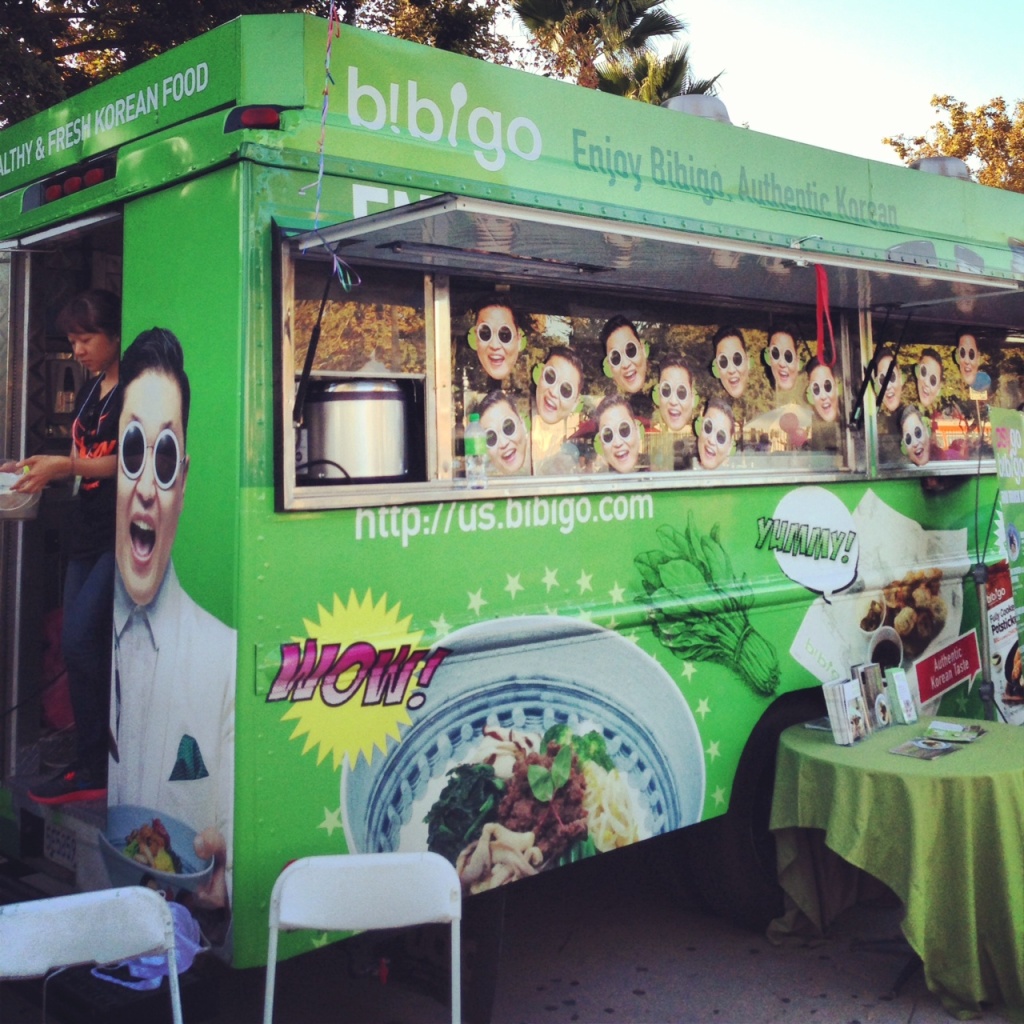
A common phenomenon amongst K-Pop fans is fan rice. Fans will buy bags of rice and give them to their favourite artists. It is common to decorate these bags of rice before giving them to their idols. Fan rice is usually donated to charity once it's given to the idols. A more extreme action of devotion taken by fans is to buy food trucks to feed their K-Pop idol if they're in a drama. Not just the idol though, but everyone involved with the drama.

K-Pop idols are known for their perfect looks and many look up to these idols as symbols of beauty. Many in the K-Pop industry will have surgery to modify facial features such as their chin and eyes. As K-Pop idols are seen as symbols of beauty, fans will try and copy this by also having surgery. Body modification is generally limited to Korean fans, as other cultures are not ingrained in the obsession with South Korea's perception of beauty.

Stacks of fan rice

Food truck for South Korean entertainer Psy


Korean woman before and after modifications to her face


Monday, 23 June 2014

Part 1: K-Pop Fashion

K-POP FASHION: MONDAY 23RD JUNE 2014:

K-Pop fashion is very out there, bright and flashy. Most K-Pop stars are dressed up in stylish outfits with many commonly wearing the latest Korean trends. An example of a fashion trend used a lot by K-Pop stars in 2013 is stripes. Many wore striped clothing while putting their own individual spin on the fashion trend during 2013.

Androgyny and gender-bending are common occurrences with the fashion and image of many K-Pop stars. Many male K-Pop stars have been called girly, feminine, gay and not masculine due to their more feminine style in clothing. These stars have challenged and gone against stereotypical gender roles and masculinity. Although androgyny is more common amongst male K-Pop artists there are also females who sport masculine clothing items. Amber Liu of f(x) is the best example of this, as she is commonly seen wearing shorts, muscle shirts and T-bird–style men's jackets. She also likes to have her hair short.
Amber Liu of f(x)

So is there a difference between the clothing items worn by male and female K-Pop stars? In some ways there isn't, because many disregard what's typical clothing of their gender. As explained before many males are happy to wear clothing marketed towards and sold to females. On the other hand, some females, most notably the aforementioned Amber Liu are fine with having a more masculine image instead of a feminine image. I imagine the average person would struggle to identify the gender of many K-Pop stars. As an example, the photo below is of male K-Pop star G-Dragon. If I had no context of K-Pop or G-Dragon, then I may have mistaken him as being female. What do you think?
G-Dragon of Big Bang